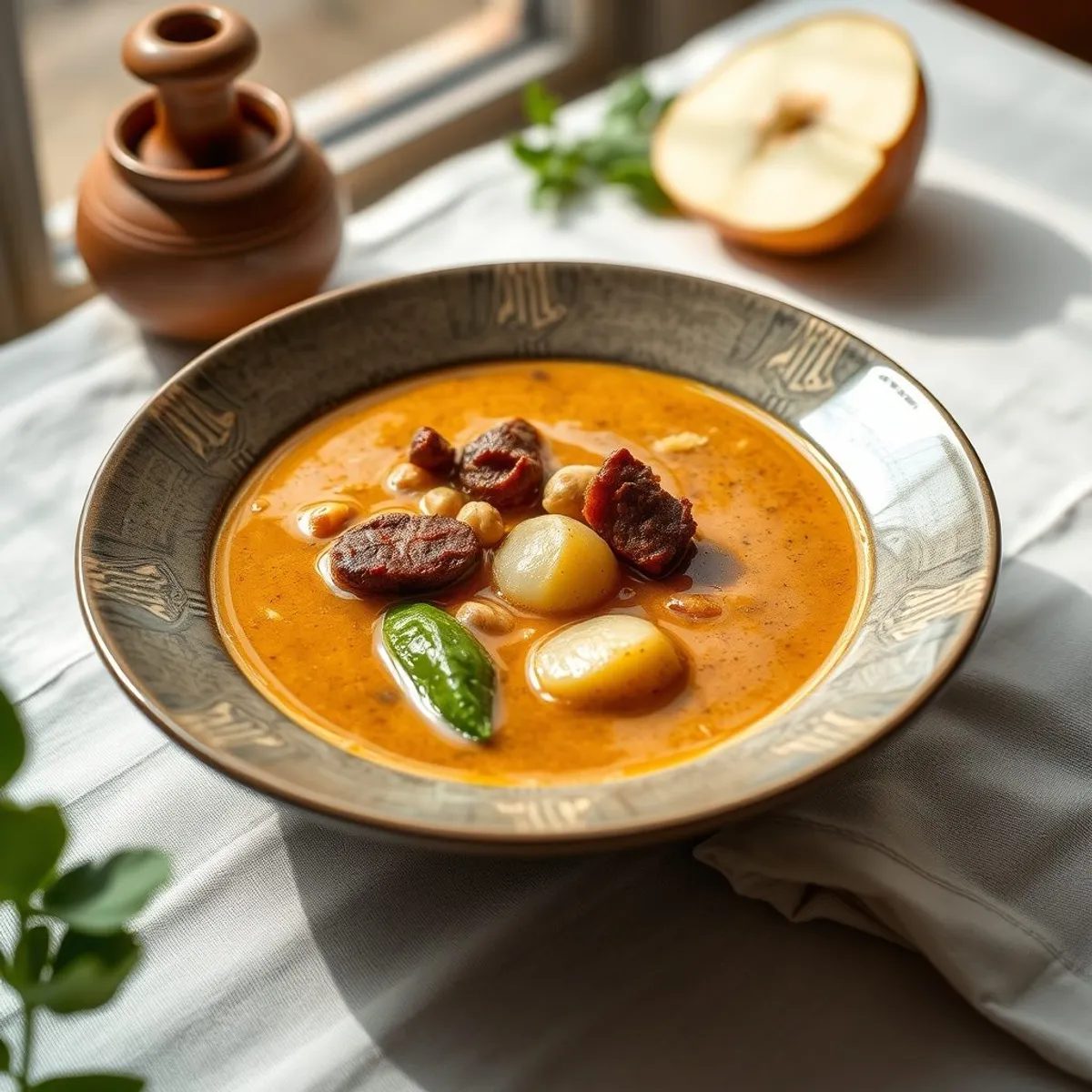
AI-generated photo.
Brazilian · Bolivia
Sopa de maní
Also called sopa de maní
Sopa de maní, a dish from Bolivia.
Pai editors’ mark 4 / 5
Plan, list, and collections
Sopa de maní is cooked in Bolivia as its own dish. Simmer a peanut broth with beef and potato until the soup is creamy. Amounts are scaled for four from foods this library can count, so the nutrition panel comes from those ingredients.
Health
How this plate sits
Counted from the ingredient table. The score, richness, and badges describe one serving as written. The ring and the nutrient table follow the serving count above. This is general information, not medical advice.
88
Health score
Light & nourishing
Healthy
Richness
Gentle
Light to very rich, from fat, saturated fat, sugar, and the cream or butter in the plate.
- Protein 31%
- Carbs 32%
- Fat 38%
Suits · Diabetes-friendly
Sugar, fiber, and the starch mix sit in a gentler range. Your own portion still decides the day.
Suits · Heart-friendly
Saturated fat, cholesterol, and sodium stay modest, with some fiber.
Suits · Weight loss
Calories stay contained and protein is high enough to feel like a meal.
Suits · High protein
About 31.2 g of protein in the serving.
Watch · Low sodium
About 464 mg of sodium, above the 450 mg mark.
Suits · Gluten-free
No wheat, barley, or rye in the required list. Still read labels on sauces and oats.
Suits · Dairy-free
No milk ingredients in the required list.
Watch · Vegetarian
Meat, poultry, fish, or shellfish is in the required list.
Suits · Pregnancy
No alcohol, liver, or caffeine in the required list. Cook meat, eggs, and seafood through.
Suits · Gentle when sick
Mild, not fried, and not a very rich plate. Comfort, not a treatment.
Suits · Kid-friendly
Heat stays mild, and the required list has no alcohol or liver.
Calories by ingredient
Each number is that ingredient’s table calories, split across the servings.
- Beef sirloin152 kcal
- Potato96 kcal
- Olive oil62 kcal
- Roasted peanuts, unsalted55 kcal
- Yellow onion18 kcal
- Snap pea17 kcal
Glycemic load
Estimated glycemic load for this count: 18.7. The bands come from the ingredient table.
Portion
One serving, as written, is about 402 kcal.
Allergens. Peanuts
Make it healthier
Serve three-quarters of the plate
The ingredient mix stays the same. Calories are three-quarters of the counted serving.
About 302 kcal after the change.
Use half the kosher salt and brighten the plate with lemon or lime.
The same dish with less sodium. This is the kitchen note. A new calorie figure is shown only when the grams can be replayed on the ingredient table.
Low confidence: no new calorie figure. The grams cannot be replayed on the table.
Replace the meat or fish with the same weight of drained chickpeas.
The seasoning and the method stay. The center of the plate changes. This is the kitchen note. A new calorie figure is shown only when the grams can be replayed on the ingredient table.
Low confidence: no new calorie figure. The grams cannot be replayed on the table.
| Nutrient | Amount | % daily value |
|---|---|---|
| Calories | 402 kcal | 20% |
| Protein | 31.2 g | 62% |
| Carbohydrate | 31.9 g | 12% |
| Fiber | 5.3 g | 19% |
| Total sugars | 4.9 g | 10% |
| Fat | 16.9 g | 22% |
| Saturated fat | 3.6 g | 18% |
| Cholesterol | 69 mg | 23% |
| Sodium | 464 mg | 20% |
| Potassium | 1134 mg | 24% |
| Calcium | 84 mg | 6% |
| Iron | 4.3 mg | 24% |
| Magnesium | 89 mg | 21% |
| Zinc | 5.5 mg | 50% |
| Vitamin A | 22 mcg | 2% |
| Vitamin C | 52 mg | 58% |
| Vitamin D | 0.1 mcg | 1% |
| Vitamin E · estimate | 2.3 mg | 15% |
| Vitamin K | 18 mcg | 15% |
| Thiamin (B1) | 0.3 mg | 21% |
| Riboflavin (B2) | 0.2 mg | 16% |
| Niacin (B3) | 10 mg | 63% |
| Vitamin B6 | 1.2 mg | 69% |
| Folate | 59 mcg | 15% |
| Vitamin B12 | 1.3 mcg | 56% |
Low-confidence marks sit on glycemic load or on vitamins the USDA row left blank. Those vitamins are filled from a food-group reference and labeled as estimates. Reported USDA values, including zeros, are kept. 50 g is the daily value for added sugar. This figure is total sugar, including fruit and milk.
- A serving stays under about 420 calories, so it can sit inside an ordinary day.
- Protein is high enough to make the meal satisfying.
Pai shares general nutrition information for everyday cooking. It is not medical advice, a diagnosis, or a treatment plan. Health labels are estimates from reference ingredient data and do not account for your lab results, medications, or how a food is absorbed. If you are pregnant, managing diabetes, cholesterol, an allergy, or any illness, use this as a menu of ideas and follow the clinician who knows you. In an emergency, call local emergency services.
Equipment
- Heavy pot
- Scale
- Wooden spoon
- Ladle
Ingredients
Each line is stored in grams. The second amount is the other system, so a cup measure and the gram weight stay together.
 Roasted peanuts, unsalted0.25 cup40 g
 Beef sirloin1 lb450 g
 Potato3 potatoes500 g
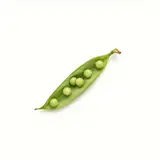 Snap pea1.5 cups160 g
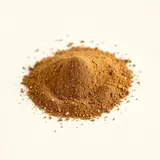 Ground cumin1 tsp2 g
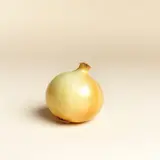 Yellow onion1 onion180 g
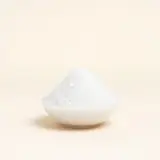 Kosher salt1 tsp4 g
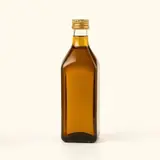 Olive oil2 tbsp30.77 ml
The first amount follows the unit toggle. The second is the other system. Both follow the serving count.
If you need to swap
- Use half the kosher salt and brighten the plate with lemon or lime.. The same dish with less sodium.
- Replace the meat or fish with the same weight of drained chickpeas.. The seasoning and the method stay. The center of the plate changes.
Method
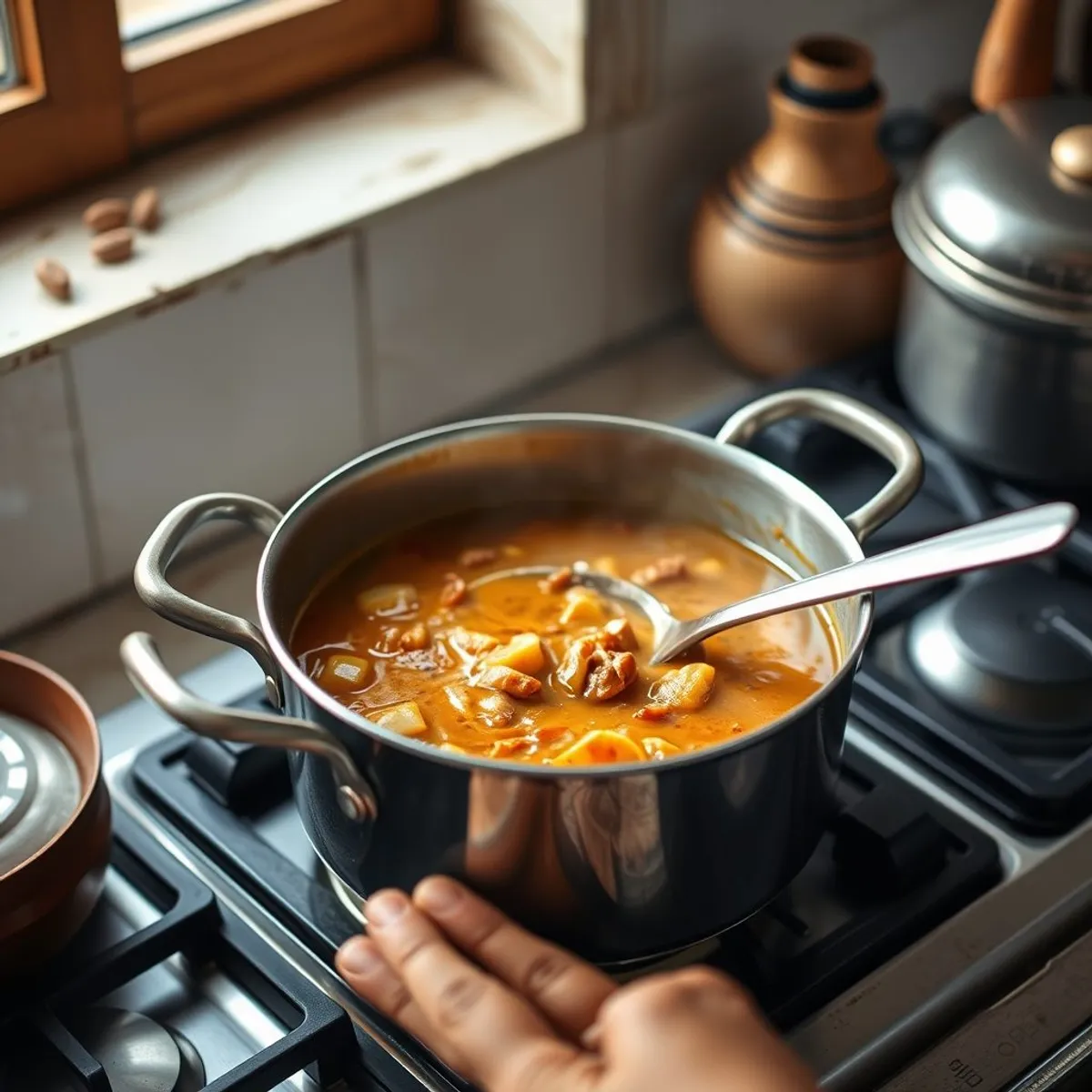
AI-generated photo.
1Set a heavy pot over medium heat. For Sopa de maní, start here: simmer a peanut broth with beef and potato until the soup is creamy.
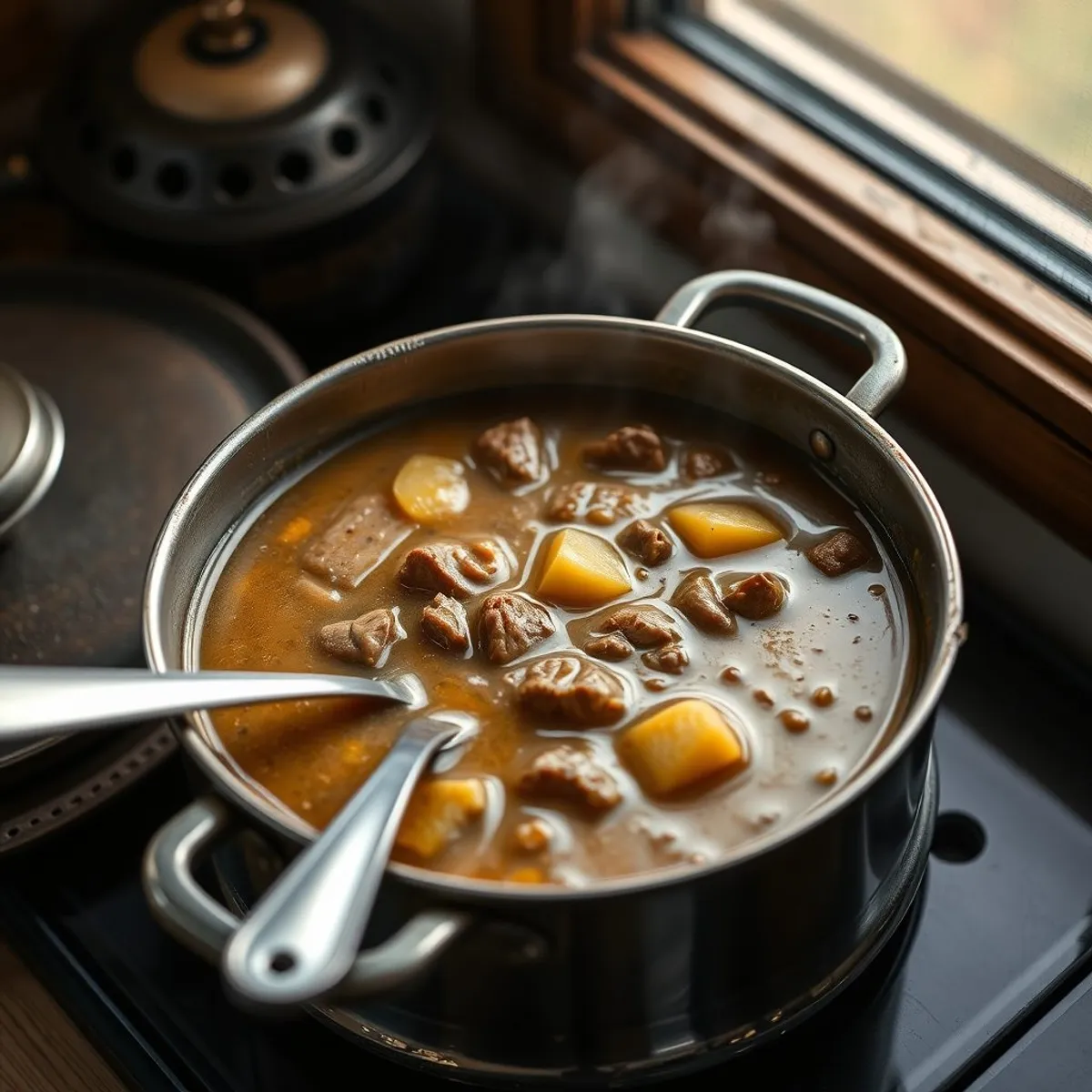
AI-generated photo.
2Simmer a peanut broth with beef and potato until the soup is creamy.
Cook 30 min
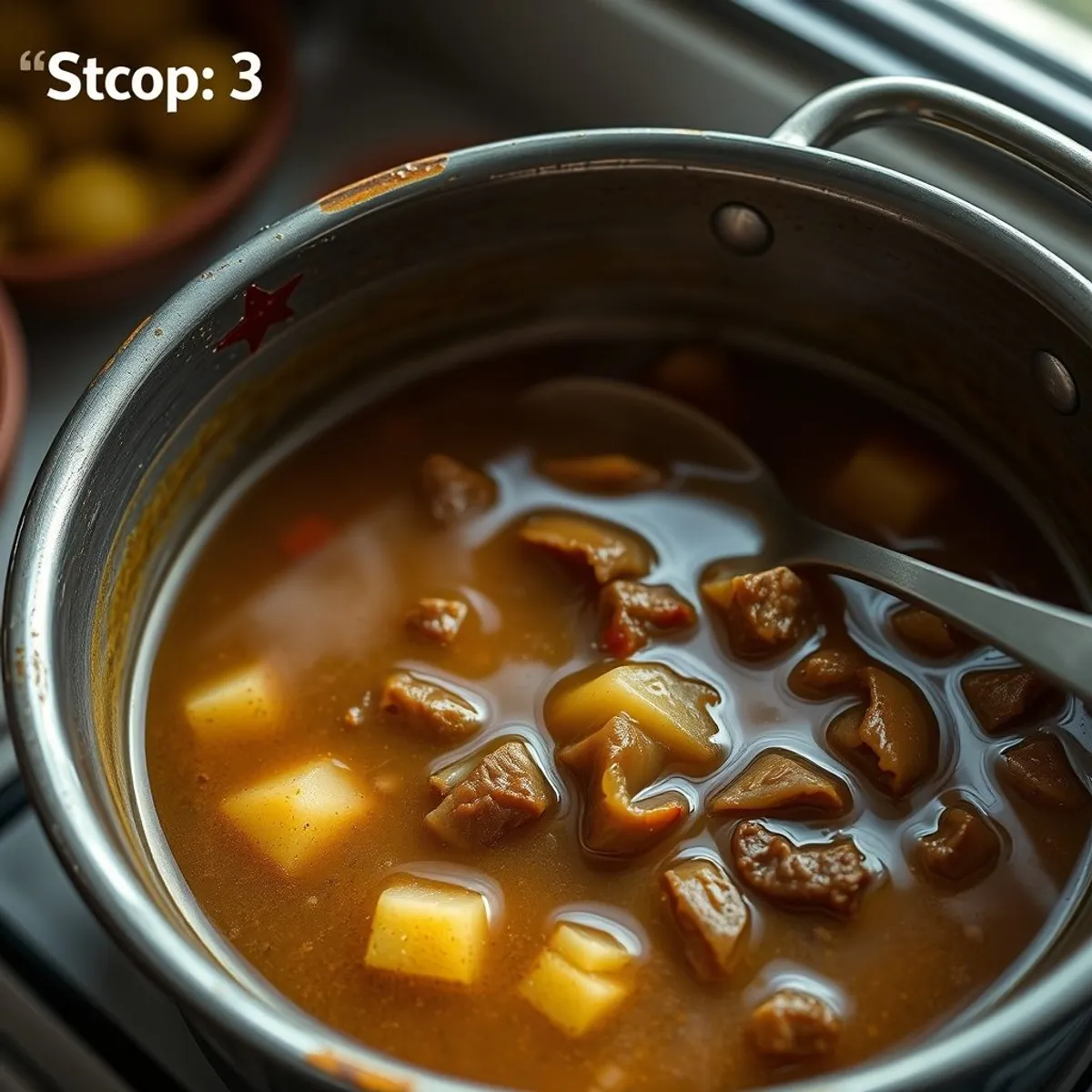
AI-generated photo.
3The liquid should be quiet and the center tender. Stop when this is true of Sopa de maní: Simmer a peanut broth with beef and potato until the soup is creamy.
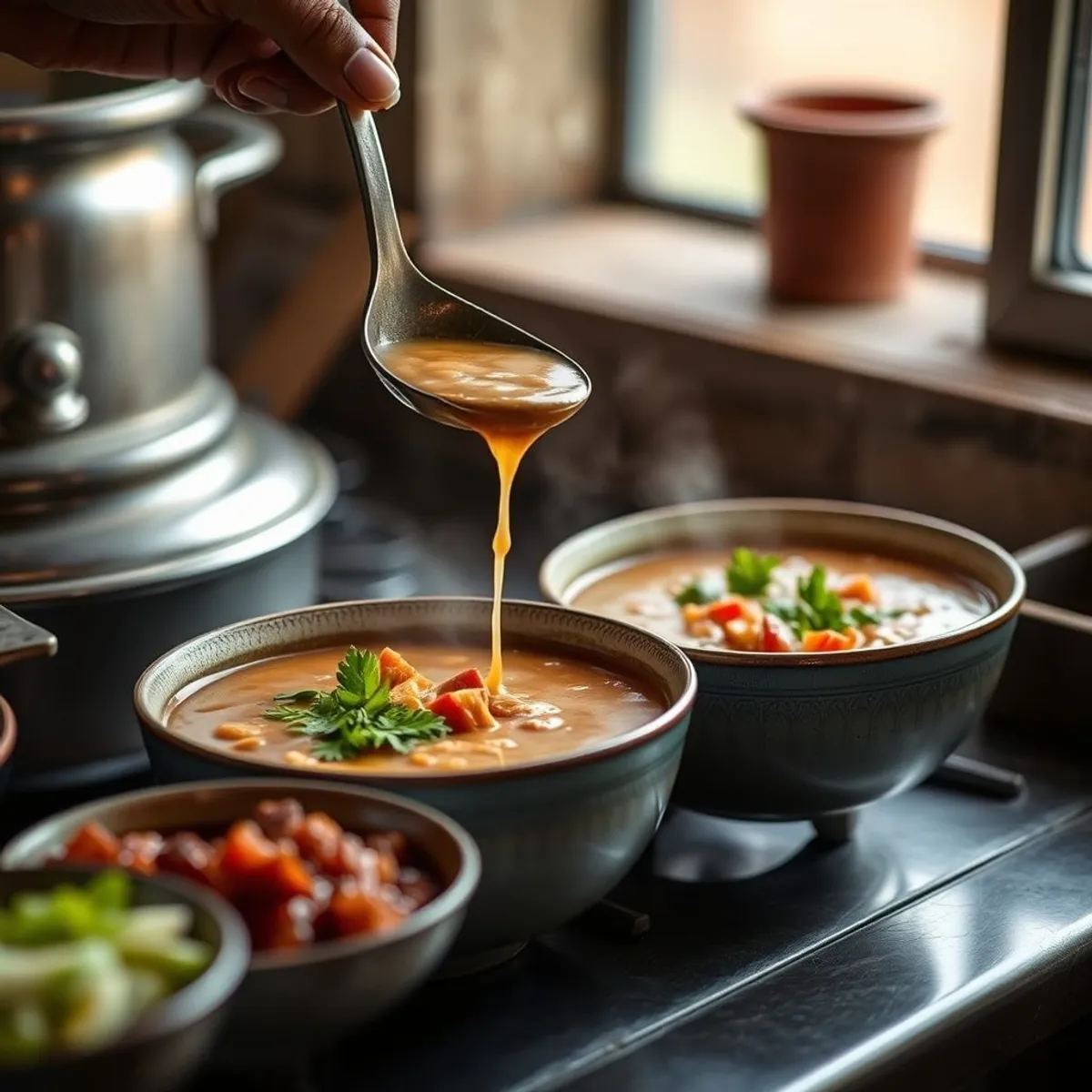
AI-generated photo.
4Ladle it into warm bowls. Sopa de maní is eaten in Bolivia as this plate, with the sauce or garnish that belongs to it.
How you know it is done
Sopa de maní is done when the thickest piece is tender and the liquid is quiet, not at a hard boil.
If it goes wrong
- Sopa de maní looks done on top and is still raw in the center. Trust the cue in the method, not the color alone. Give it a few more minutes and check the center.
- Sopa de maní spread, sank, or turned out dry. Measure by weight next time, heat the oven fully, and stop when the doneness cue appears rather than when the timer ends.
Storage
Cool Sopa de maní, then cover and refrigerate for up to 3 days. Freeze portions for a month if the dish reheats in a pot or oven, not a raw salad.
How this dish helps your daily life
- Sopa de maní is cooked by simmer in Bolivia. The steps follow that technique, including the timing above.
- The meat, poultry, or fish is the protein. The panel is this plate, not a generic serving.
Notes
Pregnancy. Cook meat, poultry, and eggs through. Use pasteurized dairy if the recipe includes it. There is no alcohol in the required list.
Allergens in the required list: Peanuts.
Your stars and note
Pai shares general nutrition information for everyday cooking. It is not medical advice, a diagnosis, or a treatment plan. Health labels are estimates from reference ingredient data and do not account for your lab results, medications, or how a food is absorbed. If you are pregnant, managing diabetes, cholesterol, an allergy, or any illness, use this as a menu of ideas and follow the clinician who knows you. In an emergency, call local emergency services.