Make video
Groundnut soup
A 9:16 storyboard, 76 seconds of edit time. Scene lengths are cuts, not the minutes the pot actually needs. Music mood: Sparse acoustic, warm room tone, no lyrics.
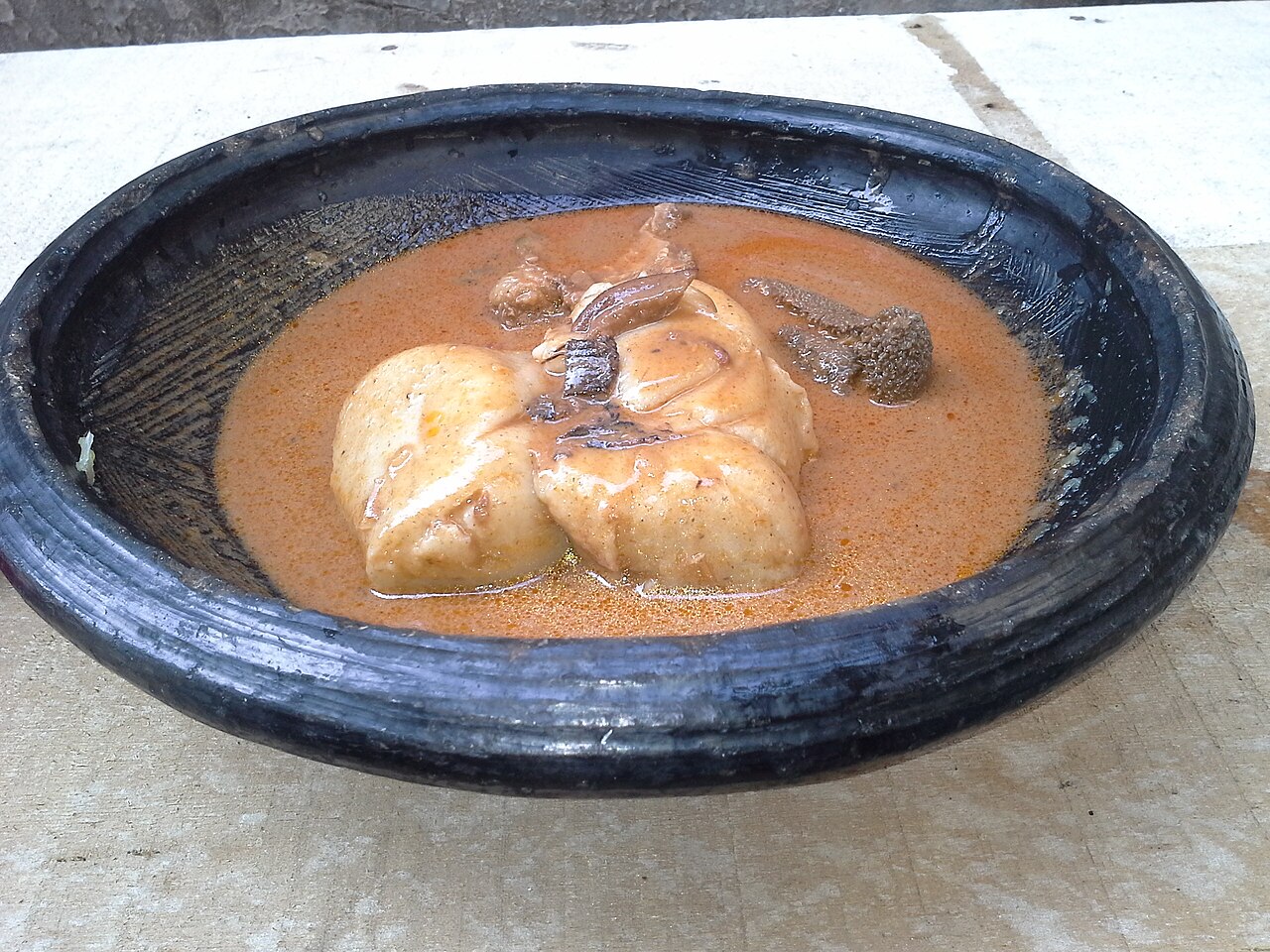
Scene 1 · hook · 4s
Hook
Shot. Open tight on the finished Groundnut soup, then pull back just enough to see the plate. Ivory linen, warm window light, no faces, no logos, no text burned into the picture.
Voiceover. Groundnut soup. Groundnut soup, a dish from Ghana (Nkatenkwan). Here is the whole thing, one move at a time.
On screen. Groundnut soup
Scene 2 · title · 4s
Open on the finished dish
Shot. Slow push-in on the finished Groundnut soup, ivory linen, a gold spoon just out of focus. No faces. No logos.
Voiceover. Groundnut soup. Groundnut soup, a dish from Ghana (Nkatenkwan).
On screen. Groundnut soup
Scene 3 · ingredients · 6s
Mise en place
Shot. Overhead flat lay. Hands set down small bowls in a quiet rhythm. Labels stay out of frame.
Voiceover. Set out chicken thigh, unsweetened peanut butter, tomato, fresh ginger, yellow onion. Measure before the pan is hot.
On screen. Mise en place
Scene 4 · equipment · 5s
Equipment
Shot. A slow pan across the tools on the counter, then back to the bowl. No brand logos.
Voiceover. You need Heavy pot, Scale, Wooden spoon, Ladle.
On screen. Heavy pot · Scale · Wooden spoon
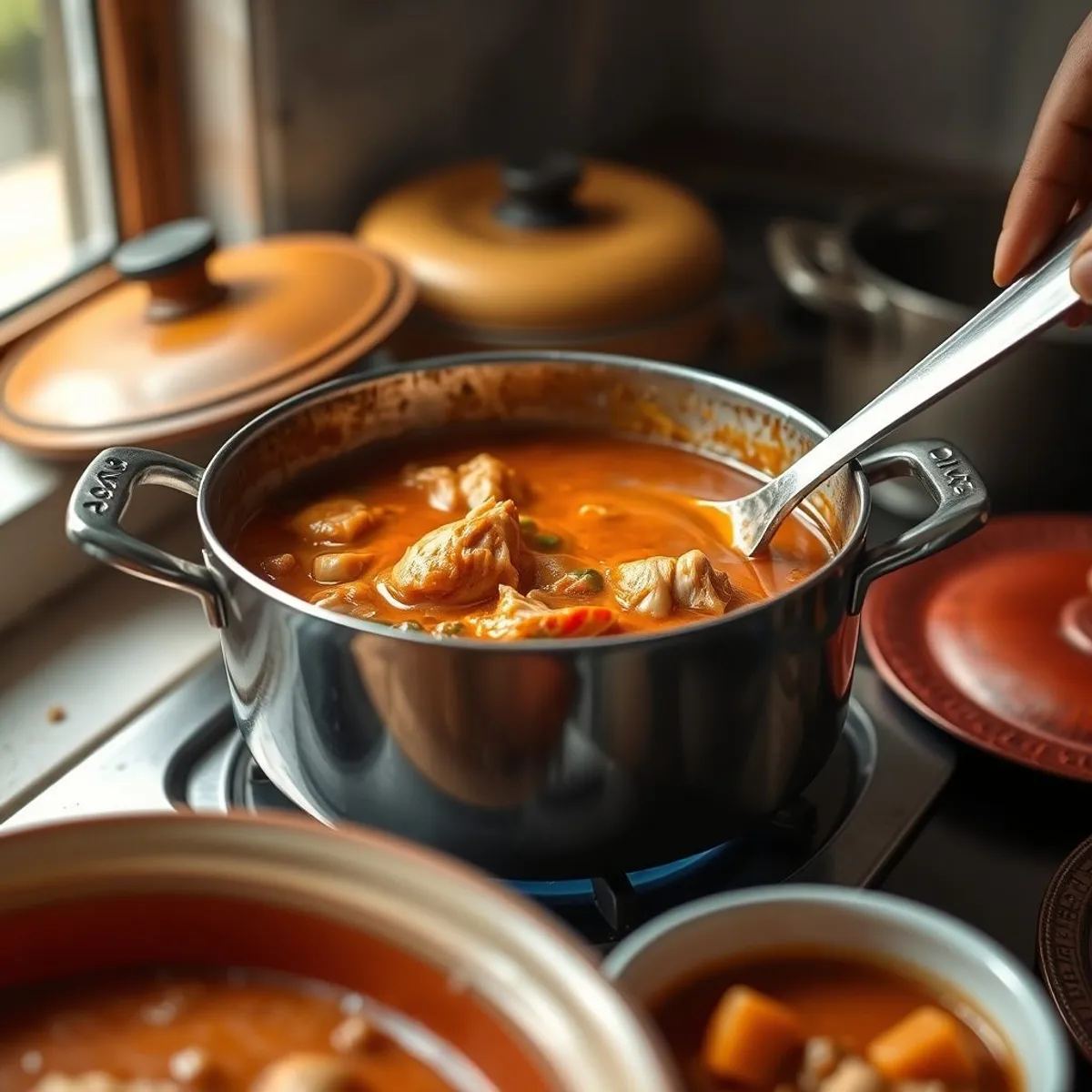
Scene 5 · step · 6s
Step 1
Shot. Photoreal mise en place for the finished dish Groundnut soup, the actual ingredients of this recipe on a wooden board, Ghana home kitchen, natural side light, no text, no logo, Natural window light, ivory linen, handmade ceramic, shallow depth of field, no text, no logo, no watermark, fine-dining magazine photograph.
Voiceover. Set a heavy pot over medium heat. For Groundnut soup, start here: whisk the peanut butter into warm tomato so it does not seize, then simmer the chicken.
On screen. Set a heavy pot over medium heat. For Groundnut…
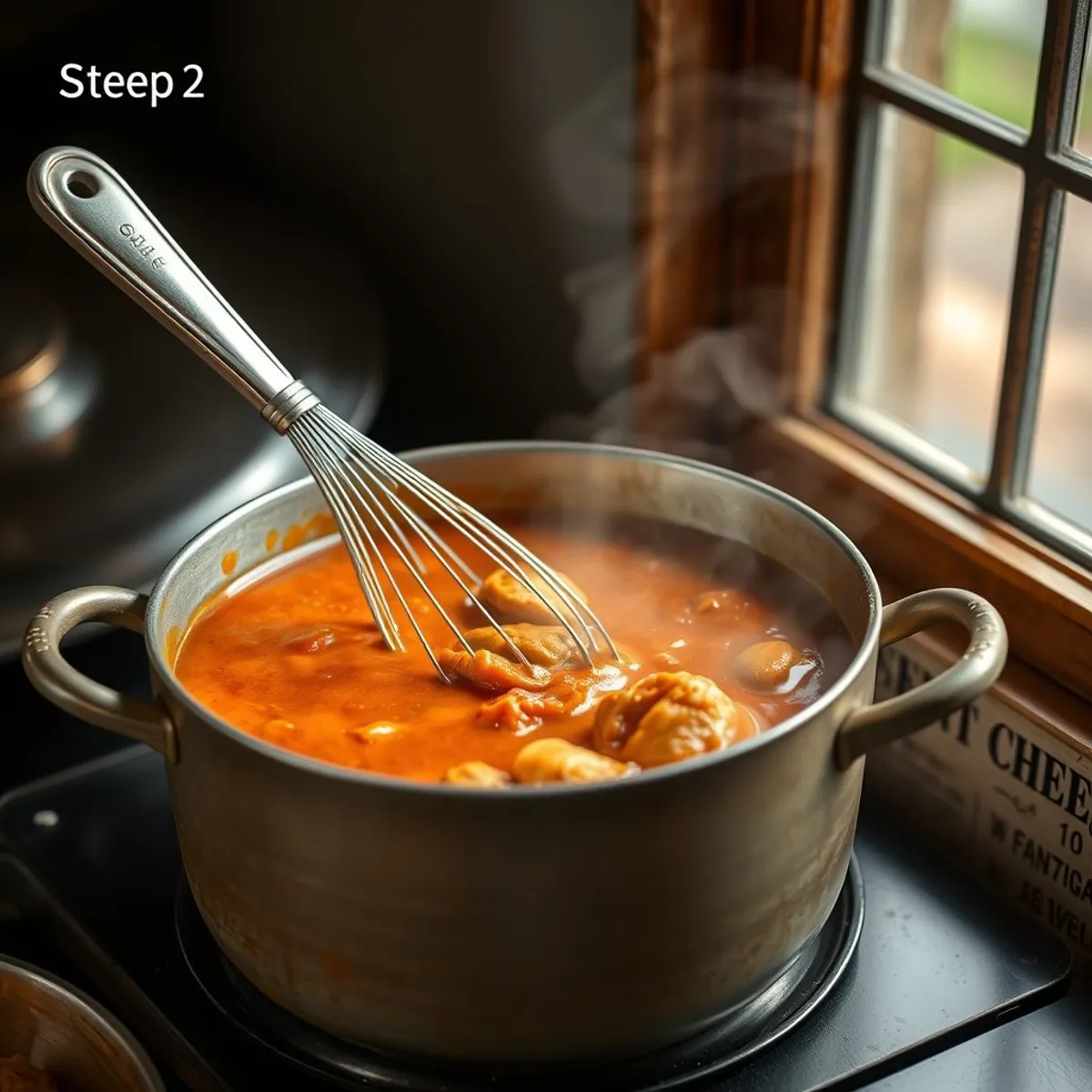
Scene 6 · step · 7s
Step 2
Shot. Photoreal close photograph of Groundnut soup at the middle of cooking, simmer, steam or sheen on this exact dish, no text, no hands covering the food, Natural window light, ivory linen, handmade ceramic, shallow depth of field, no text, no logo, no watermark, fine-dining magazine photograph. Show the action, then a jump cut through the wait. Do not film the full Cook 40 min in real time.
Voiceover. Whisk the peanut butter into warm tomato so it does not seize, then simmer the chicken.
On screen. Whisk the peanut butter into warm… · Cook 40 min
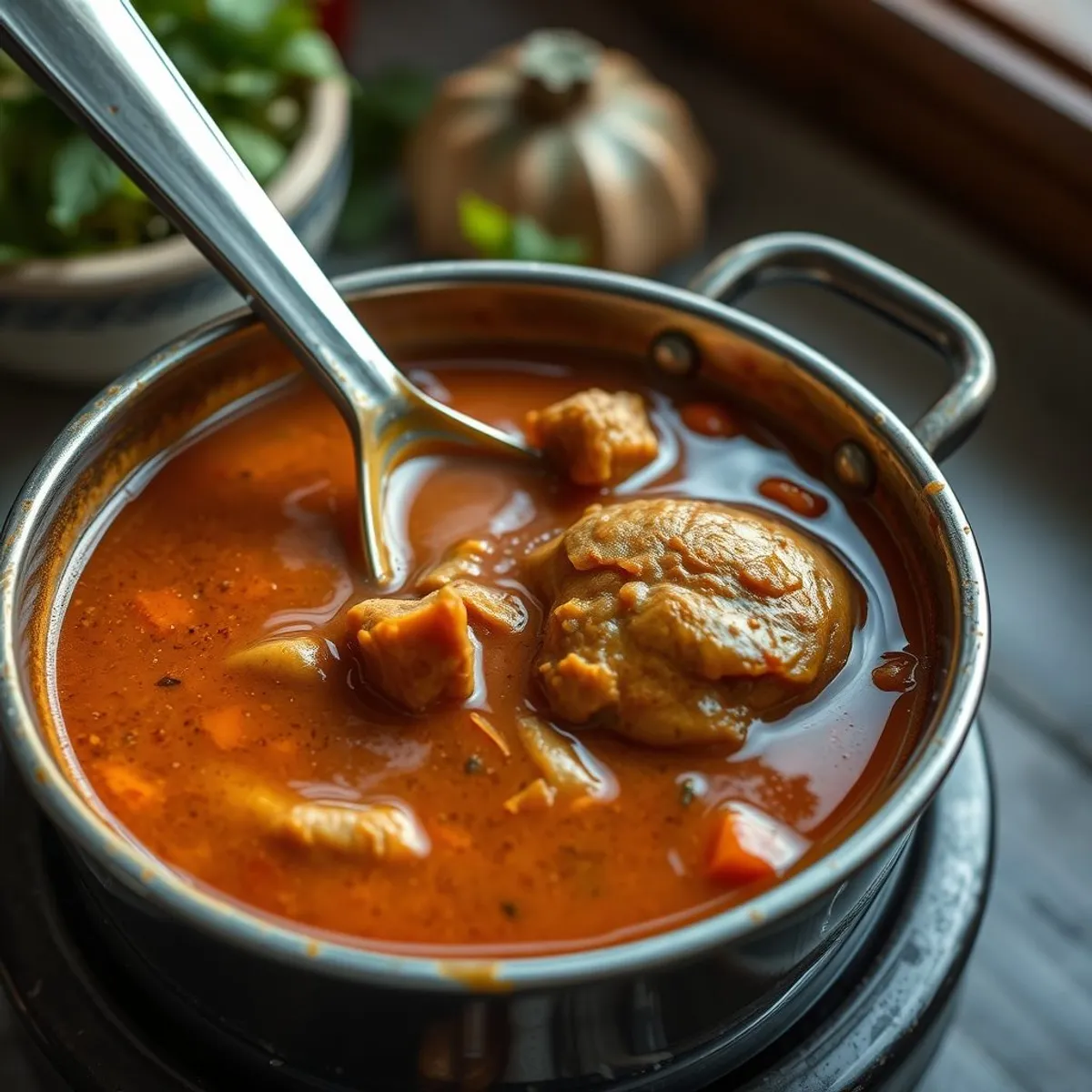
Scene 7 · step · 6s
Step 3
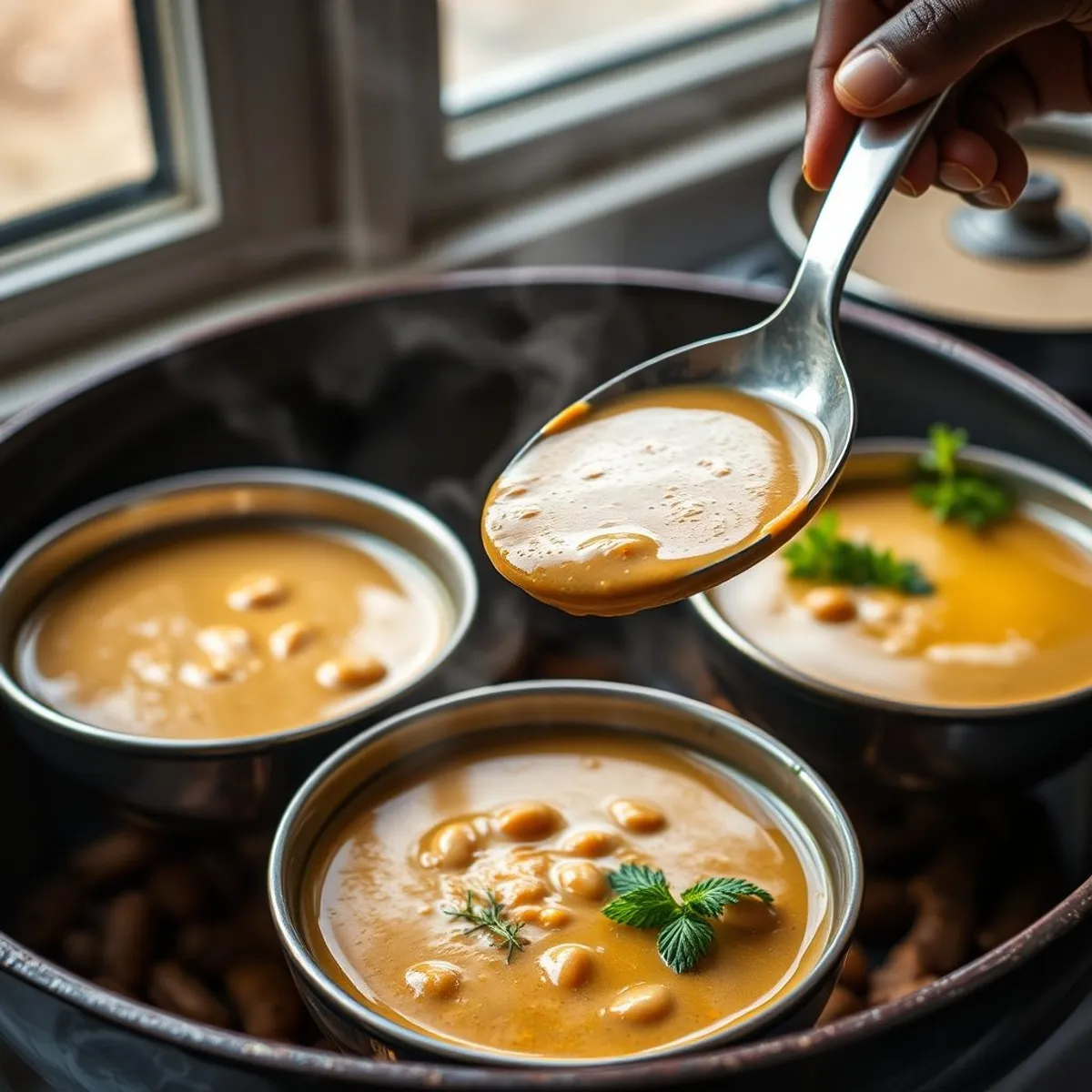
Shot. Photoreal Groundnut soup in its cooking vessel just as it finishes, a spoon lifting one portion of this dish, no text, Natural window light, ivory linen, handmade ceramic, shallow depth of field, no text, no logo, no watermark, fine-dining magazine photograph.
Voiceover. The liquid should be quiet and the center tender. Stop when this is true of Groundnut soup: Whisk the peanut butter into warm tomato so it does not seize, then simmer the chicken.
On screen. The liquid should be quiet and the center…
Scene 8 · step · 6s
Step 4
Shot. Photoreal finished Groundnut soup on a ceramic plate, three-quarter view, natural window light, the whole finished dish in frame, no text, no logo, Natural window light, ivory linen, handmade ceramic, shallow depth of field, no text, no logo, no watermark, fine-dining magazine photograph.
Voiceover. Ladle it into warm bowls. Groundnut soup is eaten in Ghana as this plate, with the sauce or garnish that belongs to it. Finish with mint. Finish with dill.
On screen. Ladle it into warm bowls. Groundnut soup is…
Scene 9 · doneness · 6s
How you know it is done
Shot. Close on the center of the food. A skewer, tap, or spoon shows the cue. Hold long enough to see it.
Voiceover. Groundnut soup is done when the thickest piece is tender and the liquid is quiet, not at a hard boil.
On screen. Doneness
Scene 10 · mistakes · 7s
If it goes wrong
Shot. Split screen is unnecessary. Show the finished, correct texture, then a hand points at the cue.
Voiceover. Groundnut soup looks done on top and is still raw in the center. Trust the cue in the method, not the color alone. Give it a few more minutes and check the center. Groundnut soup spread, sank, or turned out dry. Measure by weight next time, heat the oven fully, and stop when the doneness cue appears rather than when the timer ends.
On screen. Common fixes
Scene 11 · storage · 5s
Cooling and storage
Shot. The dish cools on a rack, then a container is closed. No refrigerator brand in frame.
Voiceover. Cool Groundnut soup, then cover and refrigerate for up to 3 days. Freeze portions for a month if the dish reheats in a pot or oven, not a raw salad.
On screen. Storage
Scene 12 · nutrition · 5s
Nutrition lower third
Shot. Hold on a single serving. A quiet lower third fades in. No medical claims on screen.
Voiceover. One serving is about 375 calories, with 31.9 grams of protein. Pai marks it Moderate.
On screen. 375 kcal · 31.9 g protein · Moderate
Scene 13 · plate · 5s
Plate and close
Shot. Spoon or tongs place the last garnish. Pull back to the full plate. End on steam or a still surface.
Voiceover. Serve 4 plates. Eat while it is at its best.
On screen. Groundnut soup
Scene 14 · cta · 4s
Close
Shot. Hold the finished plate. A quiet end card can fade in after the picture. Do not cover the food with a logo.
Voiceover. Cook Groundnut soup from the Pai recipe. The amounts, the heat, and the moment to stop are written under each step.
On screen. Cook it from the recipe
Machine-readable script for a later video tool. Scene durations are edit lengths, not cooking times. Long simmers and bakes are jump cuts. Order: hook, title, mise, equipment, one scene per numbered step (shot, on-screen text, voiceover, duration), doneness, fixes, storage, nutrition, plate, and the closing CTA. Keep the shot list and on-screen facts tied to this recipe.